Politics & Government
Speakers Challenge BOC on Finances, Chickens
Two Cobb citizens came before the Board of Commissioners to plead for their causes.


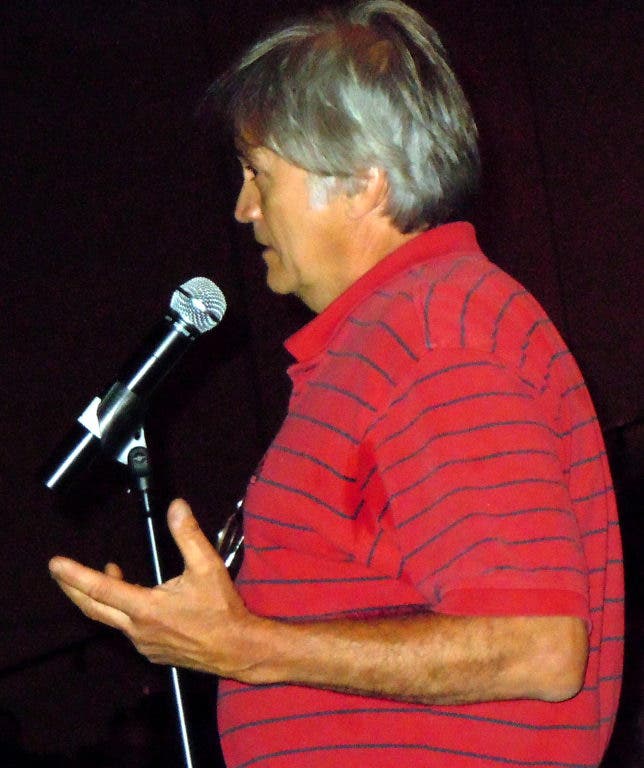

An otherwise routine of the was colored by the appearance of two public speakers coming before the board pleading for the right to own chickens and to rail against money in politics.
Joseph Pond, founder of the Backyard Chickens Alliance of Cobb County, once again stressed his recommendation that the board .
With the current code, chickens and ducks can only be kept on properties exceeding two acres in size. Pond said that if the code was amended, neighborhoods with HOAs would be able to restrict chicken keeping.
Find out what's happening in Northeast Cobbwith free, real-time updates from Patch.
Pond lost his job two weeks ago and his chickens in the fall of 2011. He is now not able to acquire organic eggs to feed his family. He also mentioned the Georgia Right to Grow Act, which would have alleviated the problem but was killed in the state House of Representatives' Rules Committee and by Rep. John Meadows.
Craig Harfoot came to the podium to address his belief that money and politics should be separated. He began with criticisms of Commission Chairman Tim Lee, who to keep his seat. Harfoot said that with $450,000 in campaign donations, Lee owed favors to his donors that the taxpayers would end up providing.
Find out what's happening in Northeast Cobbwith free, real-time updates from Patch.
"We're used to seeing big money compete for tax dollars on the national stage," Harfoot said. "But seeing it on the local level is really frightening."
Lee's support of a HOST tax, in face of the , was considered an outrage by Harfoot, who said that the rise in energy costs was already a tax on food.
Harfoot was also surprised that although , that he managed to win the runoff and keep his job.
"If you didn't have so much debt to your donors, a lot of us would feel better," he said.
Get more local news delivered straight to your inbox. Sign up for free Patch newsletters and alerts.